Personalized Medical Care & Dedicated International Patient Concierge

Specialty Overview
Skin Lifting & Tightening
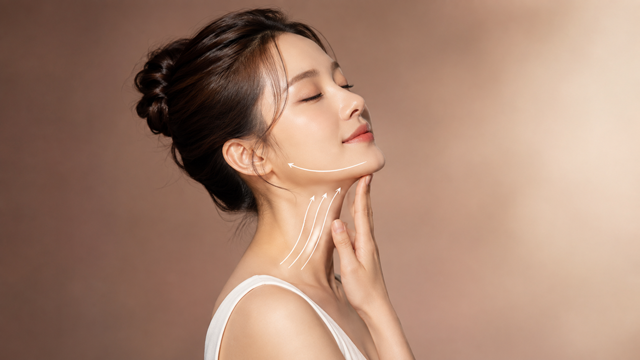
Non-surgical skin tightening uses focused energy — high-intensity focused ultrasound (HIFU), radiofrequency (RF), or microwave energy — to heat deeper layers of the skin without cutting or lifting the surface.
Schedule a Consultation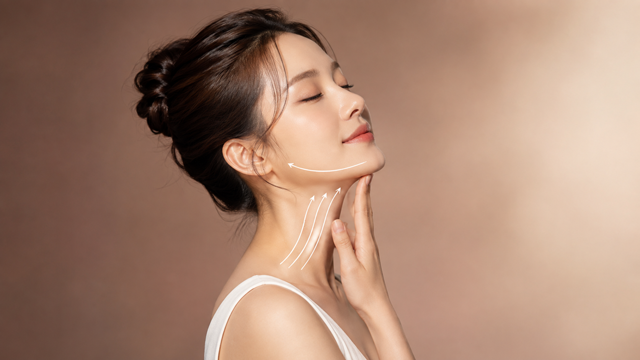
Medically reviewed by Dr. Chang Ye Ji, Chief Director, Toxnfill Hongdae
Non-surgical skin tightening uses focused energy — high-intensity focused ultrasound (HIFU), radiofrequency (RF), or microwave energy — to heat deeper layers of the skin without cutting or lifting the surface. That controlled heat prompts the skin to rebuild its own collagen over the following weeks, gradually firming loose tissue and lifting sagging contours with little to no recovery time. At Toxnfill Hongdae in Seoul's Hongdae district, skin lifting and tightening treatment is overseen by Chief Director Dr. Chang Ye Ji, whose training and ongoing clinical work centers on laser- and energy-based dermatologic care.
What Is Non-Surgical Skin Tightening?
- It relies on energy-based devices, not a scalpel — the goal is tissue contraction and new collagen formation, not surgical removal of skin.
- Two main energy types are used at this clinic: ultrasound-based systems that reach the SMAS (the fibrous support layer surgeons address in a facelift), and radiofrequency or microwave systems that concentrate heat mainly in the dermis.
- Most sessions run 20–60 minutes depending on the device and treatment area, with topical numbing applied beforehand.
- Downtime is typically minimal to none — most patients resume normal activities immediately.
- Results build gradually over one to three months as collagen remodels, rather than appearing all at once.
Who Performs Skin Lifting & Tightening at Toxnfill Hongdae
Dr. Chang Ye Ji, Chief Director at Toxnfill Hongdae, serves as Representative Director of Toxnfill Hongdae (following leadership roles as Representative Director of Toxnfill Bupyeong and Vice Director at Abijou Clinic Ilsan) and is an active member of the Korean Academy of Aesthetic Medicine and the Korean Filler Association. Her documented clinical focus areas include laser dermatology, aesthetic and petite procedures, and lifting- and laser-based aesthetic care — the same technology class used in HIFU and RF skin tightening. She is a member of several Korean aesthetic and laser-medicine societies, including the Korean Society of Cosmetic Plastic Laser Medicine and the Korean Society of Laser Medicine in Skin & Hair, and has authored multiple peer-reviewed dermatology publications. Consultations at Toxnfill Hongdae are individualized: the clinic states that the appropriate device, cartridge, and treatment depth are selected according to each patient's concern area and skin condition, since skin thickness and laxity vary from one patient to the next.
Skin Lifting & Tightening Options Available
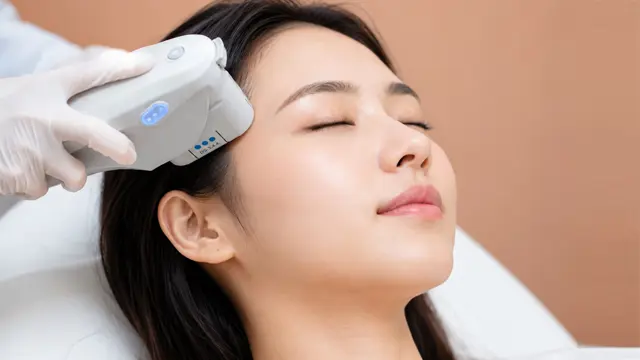
Toxnfill Hongdae offers several energy-based lifting technologies, each with a different mechanism and target depth. This is not an exhaustive list of every device on the market, only what the clinic offers:
| Treatment | Energy type | Typical session time | Recovery |
|---|---|---|---|
| Ultherapy Prime | Focused ultrasound, real-time imaging to 8 mm | –20–30 min (plus numbing) | Immediate return to activity |
| Thermage FLX | Radiofrequency (dermis-focused) | –20–30 min (plus numbing) | Immediate return to activity |
| Sofwave | Ultrasound (SUPERB™ parallel beam technology) | 30–45 min | Hours to a few days for mild redness |
| Alltite | Microwave (Innoxus DLTD® technology) | 30–60 min | Immediate return to activity |
| Shurink | HIFU, 3-depth cartridge system | –15–20 min (plus numbing) | Immediate return to activity |
| ONDA | Microwave, dual-depth handpieces | 30–60 min | Immediate return to activity |
| MINT Thread / DIA Lifting | Mechanical (dissolvable PDO threads) | 30–40 min | No downtime; 1–2 weeks for minor bruising |
Ultrasound-based options (Ultherapy, Shurink, Sofwave) generally reach deeper into the fascial/SMAS layer, while RF and microwave options (Thermage, Alltite, ONDA) concentrate energy in the dermis. Thread-based lifting adds a mechanical anchoring effect rather than purely thermal stimulation. Which option — or combination — fits best depends on the degree of laxity, treatment area, and goals discussed at consultation.
Who Is a Good Candidate for Skin Lifting & Tightening?
- Adults with mild-to-moderate skin laxity, reduced elasticity, or fine wrinkles who want a non-surgical approach.
- Patients concerned about a sagging jawline, cheek volume descent, or early jowling who are not yet seeking (or are not candidates for) a surgical facelift.
- Those wanting a slimmer-looking lower face or reduced submental fullness (ONDA specifically addresses both skin firmness and localized fat).
- Patients who want minimal-to-no downtime and can accept results that build gradually rather than immediately.
- Suitability always depends on individual medical history, skin condition, pregnancy status, and any implanted electronic devices — a medical consultation is required before treatment is confirmed.
What to Expect: Procedure, Recovery, and Results Timeline
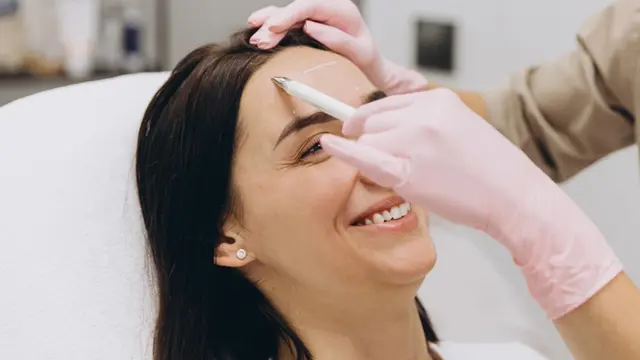
- Consultation. Skin depth, laxity, and treatment goals are assessed; the clinician selects the device, cartridge, and depth settings for the individual.
-Preparation. The area is cleansed; topical anesthetic ointment is applied for most devices (commonly 20–30 minutes) to improve comfort.
-Treatment. Energy is delivered in a grid or line pattern across the target area. HIFU/ultrasound devices use real-time imaging or cartridge-controlled depth; RF and microwave devices use integrated cooling to protect the outer skin layer while heating deeper tissue.
-Aftercare. Most patients wash their face and apply makeup immediately or within a few hours. General aftercare across these treatments includes avoiding saunas, excessive alcohol, hot baths, aggressive exfoliation, and strenuous exercise for about one week, alongside daily sunscreen and a gentle moisturizer.
Results timelines vary by device: ultrasound-based tightening (Ultherapy, Shurink) shows peak collagen remodeling around one to two months post-treatment, with effects generally reported to last roughly six to twelve months; Sofwave results are described as building over eight to twelve weeks and lasting twelve to eighteen months; thread-based lifting (MINT, DIA) combines an immediate mechanical lift with results reported to last ten to eighteen months. Maintenance sessions are commonly recommended on a six-to-twelve-month cycle for the energy-based options.
Combining Skin Lifting with Other Treatments
-Ultherapy + Shurink: the clinic notes these can be performed together since both use similar ultrasound-based lifting principles.
-Energy-based lifting + skin boosters or exosome treatments: frequently combined to add hydration and texture improvement alongside a lifting effect.
-Thread lifting + dermal fillers: often packaged together for simultaneous structural lifting and volume restoration.
-ONDA + fat-dissolving injections or Ultherapy: combined for more comprehensive facial contouring where both skin laxity and localized fullness are concerns.
Safety, Precision, and Clinic Standards
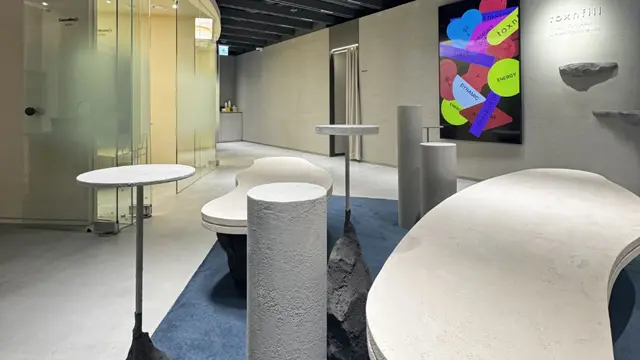
- Toxnfill Hongdae is a Registered Medical Institution for Attracting Foreign Patients, certified by Korea's Ministry of Health and Welfare under the Medical Overseas Expansion and Foreign Patients Attraction Act.
- Treatment is overseen by a licensed dermatologist whose academic and clinical work is documented in laser- and energy-based dermatologic care.
- The clinic states it uses genuine Ulthera devices and tips, and that Thermage equipment and disposable tips are certified with authentication-number verification available to patients.
- Independent published research supports the underlying technology class: a systematic review found HIFU device treatment provides effective non-invasive lifting with a favorable safety profile, and the American Institute of Ultrasound in Medicine has issued a statement addressing the safety of cosmetic ultrasound use.
- Reported side effects across these devices are typically temporary — mild redness, swelling, tenderness, or bruising that resolves within days. Rare and more serious effects (burns, prolonged pigment change) are described in the clinical literature and should be discussed directly with the treating clinician during consultation.
The Bottom Line
- Non-surgical skin lifting and tightening uses focused ultrasound, radiofrequency, or microwave energy to stimulate collagen and contract loose tissue, without surgery.
- Toxnfill Hongdae offers multiple device options (Ultherapy, Thermage FLX, Sofwave, Alltite, Shurink, ONDA, and thread lifting), each suited to slightly different depths and concerns.
- Treatment is overseen by Chief Director Dr. Chang Ye Ji, whose clinical and academic focus is in laser- and energy-based dermatology.
- Downtime is minimal to none for most options; results build over one to three months and are commonly reported to last six to eighteen months depending on the technology.
- Candidacy, device selection, and expected outcomes are determined through an individual consultation.
Frequently Asked QuestionsHow is HIFU different from radiofrequency (RF) skin tightening? HIFU (used in Ultherapy and Shurink) focuses ultrasound energy on the SMAS layer, the same fibrous layer addressed surgically in a facelift. RF devices like Thermage concentrate heat mainly in the dermis, a shallower layer. Both stimulate collagen remodeling, but the depth and typical use case differ — HIFU is often chosen for lifting sagging tissue, RF for firming and fine-line improvement.** Is there any downtime?** Most patients return to normal activities immediately, including washing their face and applying makeup the same day. Mild, temporary redness or swelling can occur with any of these treatments and typically resolves within hours to a few days.** How many sessions will I need?** This varies by device and individual laxity. Energy-based treatments are often done as a single session with maintenance roughly every six to twelve months; thread lifting is generally a single procedure with effects reported to last ten to eighteen months.** Can these treatments be combined with fillers or Botox?** Yes — the clinic notes several combination approaches, such as thread lifting with dermal fillers, or energy-based lifting with skin boosters, chosen according to individual concerns during consultation.** Who will actually perform my treatment?** Skin lifting and tightening at Toxnfill Hongdae is overseen by Chief Director Dr. Chang Ye Ji, whose training and clinical focus are in laser and energy-based dermatology; treatment planning is individualized at consultation.** Will this replace a surgical facelift?**
No. Non-surgical tightening is intended for mild-to-moderate laxity and produces a more gradual, subtler improvement than surgery. Patients with more advanced sagging may be advised that a surgical option would achieve a different degree of change; a consultation clarifies which approach is appropriate.
Book a Consultation at Toxnfill Hongdae
To discuss which skin lifting or tightening option may suit your skin and goals, contact Toxnfill Hongdae in Seoul's Hongdae/Mapo-gu district. The clinic is open weekdays 10:30–21:00 and weekends 10:00–17:00 (Korea Standard Time). Enquiries can be made through the clinic's contact page via our online inquiry form.
Disclaimer
This page is for general informational purposes and does not constitute individualized medical advice. Candidacy, technique, and expected outcomes can only be determined through a consultation with a qualified physician.
Sources & Further Reading
- Statement on the Safety of Cosmetic Ultrasound — American Institute of Ultrasound in Medicine
- A Systematic Review of High-Intensity Focused Ultrasound in Skin Tightening and Body Contouring — PubMed
- Safety and Efficacy of High-Intensity Focused Ultrasound and Monopolar Radiofrequency Combination Therapy for Skin Tightening — PMC
Clinical Notice: Individual treatment outcomes and recovery timelines may vary depending on skin condition and personal physiology. Temporary redness, mild swelling, or bruising may occur after treatment; a pre-procedure physician consultation is always conducted.
Related Services
Procedures available within our clinical departments.

Cryo Iontzyme Skin Treatment
Cryo Iontzyme Skin Treatment is a non-invasive treatment that combines cooling technology with ion-based delivery to support skin hydration, texture, and overall appearance.
Learn More
Juvelook Skin Booster
Juvelook Skin Booster combines Poly-D,L-Lactic Acid (PDLLA) with hyaluronic acid, micro-injected into the dermal layer to stimulate the skin's own collagen production while restoring volume and improving overall texture.
Learn More

Skin & Pore Botox
Skin & Pore Botox is a botulinum toxin treatment designed for skin texture rather than large muscle groups, delivered through multiple small intradermal injections into areas such as the butterfly zone/cheek where pores and oiliness ar...
Learn More