Personalized Medical Care & Dedicated International Patient Concierge


Specialty Overview
Medical Skin Care & Peels
Medical facials, or medifacials, combine professional-grade cleansing, chemical exfoliation, and skin-diagnostic technology under clinical supervision.
Schedule a Consultation
Medically reviewed by Dr. Chang Ye Ji, Chief Director, Toxnfill Hongdae
Medical facials, or medifacials, combine professional-grade cleansing, chemical exfoliation, and skin-diagnostic technology under clinical supervision — going beyond a standard spa facial by using formulations and diagnostic tools that are only available in a medical setting. At Toxnfill Hongdae in Seoul, medical skin care and peel treatment is overseen by Chief Director Dr. Chang Ye Ji, whose clinical focus includes general and cosmetic dermatology.
What Is a Medical Facial / Chemical Peel?
- Treatment begins with thorough cleansing, followed by a specialized chemical solution or exfoliating formulation that removes dead surface cells and clears clogged pores.
- After the appropriate contact time, the product is neutralized or cleansed off, and soothing serums, moisturizers, and sun protection are applied to support healing and improve tone and texture.
- Toxnfill Hongdae uses a digital skin-diagnostic system (Mark-Vu) to assess skin type, moisture level, and specific concerns before selecting the appropriate peel or facial protocol.
- Most sessions are non-invasive and require no anesthesia, though mild tingling can occur during chemical peeling.
- There is generally zero downtime — patients can resume normal activities and apply makeup the same day.
Who Performs Medical Skin Care & Peels at Toxnfill Hongdae
Dr. Chang Ye Ji, Chief Director at Toxnfill Hongdae, graduated from South Korean medical training and completed her dermatology residency at clinical training in Seoul, where she now also holds an appointment as Clinical Assistant Professor of Dermatology. Her documented core specializations include general dermatology and cosmetic/aesthetic dermatology, alongside laser dermatology and scar treatment — directly relevant to selecting and calibrating chemical peel and medical facial protocols for different skin types and concerns. Treatment at Toxnfill Hongdae begins with an individualized skin evaluation using the clinic's digital diagnostic tools, so the specific peel or facial protocol is matched to the patient's skin condition rather than applied uniformly.
Medical Skin Care & Peel Options Available
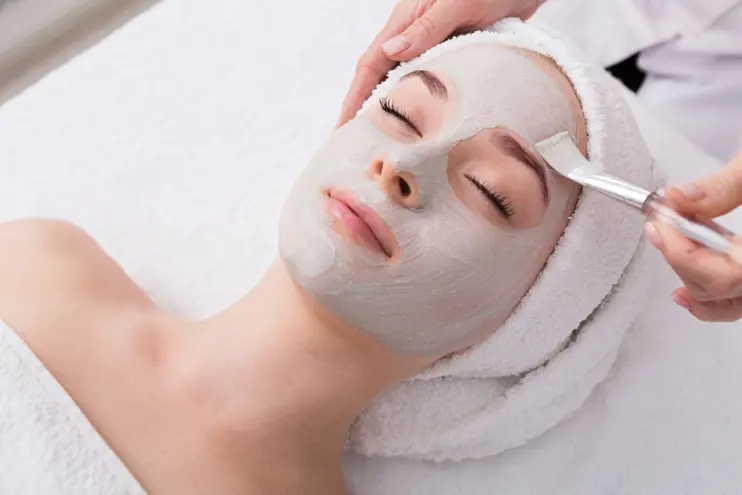
Toxnfill Hongdae offers seven distinct peel and medical-facial protocols, summarized below:
| Treatment | Focus (per clinic) |
|---|---|
| Aqua Peel | Deep cleansing and hydration combined with exfoliation |
| LHALA Peel | Exfoliation paired with Moisture Ultrasound and Regenerative LED |
| Black Peel | Pore and texture-focused exfoliation |
| GA Peel | Glycolic-acid-type exfoliation for tone and texture |
| Pla Peel | Gentle exfoliation suited to sensitive or reactive skin |
| Pink Peel | Brightening-focused exfoliation |
| Aladdin Peeling | Comprehensive exfoliation and skin-clarifying protocol |
Devices referenced alongside these protocols include the Mark-Vu skin diagnostic system, LDM Triple, O2Derm oxygen therapy, and high-frequency therapy units, used to support the peel process with additional hydration or calming technology depending on the selected protocol.
Who Is a Good Candidate for a Medical Facial or Peel?
- Individuals dealing with clogged pores, dull tone, excess sebum, mild acne, uneven texture, or dry skin requiring deeper hydration.
- Patients seeking accessible, professional-grade skin rejuvenation and complexion clarification without surgery or significant downtime.
- Those wanting a periodic maintenance treatment to support skin clarity and texture as part of an ongoing skincare routine.
- Patients with skin of color are generally candidates too, provided the treating clinician has appropriate experience selecting suitable peel strength and protocol for darker skin tones.
- Not suitable for patients with open facial wounds, active severe skin infection, sunburn, or known hypersensitivity to the specific chemical exfoliating acid used — these are reasons treatment should be postponed or an alternative selected.
What to Expect: Procedure, Recovery, and Results Timeline
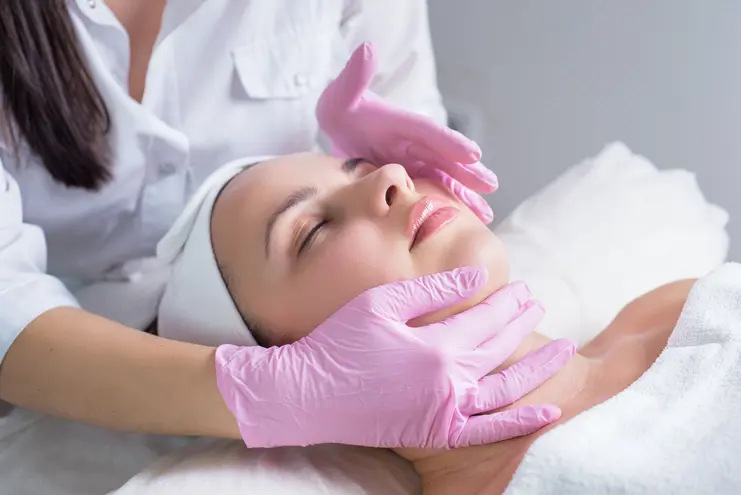
- Skin diagnosis. A tailored evaluation using digital skin-analysis tools (Mark-Vu) identifies skin type, moisture level, and specific concerns.
-Deep cleansing. The skin is thoroughly cleansed to prepare for the peel or exfoliating formulation.
-Treatment application. The selected chemical peel or exfoliating device (Aqua Peel, LHALA, Black Peel, GA Peel, Pla Peel, Pink Peel, or Aladdin Peeling) is applied for a controlled period.
-Soothing care. Hydration and, depending on the protocol, LED light or ultrasound therapy is applied to calm the skin.
Recovery is essentially immediate — most patients notice zero downtime and can apply makeup the same day. Temporary mild redness, minor flaking, slight tightness, or transient dryness can occur following treatment. Sessions generally deliver an immediate glow and smoother-feeling skin, with the fullest benefit maintained through regular sessions roughly every two to four weeks as part of an ongoing skincare regimen. A typical session runs approximately 30 to 60 minutes.
Combining Medical Facials with Other Treatments
-Peels + Laser Toning: frequently combined when pigmentation is a concurrent concern.
-Peels + Toxin/Fillers: paired for patients also addressing structural concerns alongside skin-surface texture.
-Peels + Skin Boosters (Rejuran, Juvelook): the clinic notes this combination for deeper dermal-layer rejuvenation alongside surface-level exfoliation, since peels primarily address the epidermis while boosters work at a deeper skin layer.
Safety, Precision, and Clinic Standards

- Toxnfill Hongdae is a Registered Medical Institution for Attracting Foreign Patients, certified by Korea's Ministry of Health and Welfare.
- Medical facial and peel protocols are overseen by a licensed dermatologist with a documented clinical focus in general and cosmetic dermatology.
- Pre-treatment skin diagnosis with the Mark-Vu system supports individualized protocol selection rather than a one-size-fits-all approach.
- The American Academy of Dermatology notes that chemical peels have been performed by dermatologists for more than 50 years with an excellent overall safety record, and that peels using acids such as TCA, glycolic acid, or salicylic acid should only be performed under the supervision of a licensed, trained provider because of the risk of burns, scarring, or pigmentation change without proper oversight.
- Patients are generally advised to avoid aggressive manual exfoliants, retinoids, or direct sun exposure for a few days before treatment, and to apply daily SPF 50+ sun protection and avoid picking at mild post-peel flaking afterward.
The Bottom Line
- Medical facials and chemical peels combine clinical-grade exfoliation with individualized skin diagnosis, going beyond a standard spa facial.
- Toxnfill Hongdae offers seven peel and medifacial protocols, matched to skin type and concern using its Mark-Vu diagnostic system.
- Treatment is overseen by Chief Director Dr. Chang Ye Ji, whose clinical focus is general and cosmetic dermatology.
- Downtime is essentially zero; optimal maintenance is generally achieved with sessions every two to four weeks.
- Candidacy and the specific peel selected are always confirmed through an individual skin assessment.
Frequently Asked QuestionsWhat is the difference between a medical facial and a regular spa facial? A medical facial (medifacial) uses clinical-grade formulations and diagnostic technology under medical supervision, allowing more targeted exfoliation and treatment of specific skin concerns than a standard cosmetic spa facial.** Is there any downtime?** Generally none. Most patients can apply makeup and resume normal activities the same day, though temporary mild redness or slight flaking can occur for a short period afterward.** How often should I get a medical facial or peel?** The clinic generally recommends sessions roughly every two to four weeks to maintain results as part of an ongoing skincare routine, though this varies with individual skin condition and goals.** Can peels be used on sensitive or darker skin tones?** Yes, with appropriate selection — patients with skin of color can generally have chemical peels safely when the treating clinician has experience choosing suitable peel strength and protocol for that skin type; this is assessed at consultation.** What should I avoid before and after treatment?** Before treatment, avoid aggressive manual exfoliation, retinoids, and excessive sun exposure for a few days. Afterward, use daily sunscreen, keep the skin moisturized, and avoid picking at any minor post-peel flaking.** Who will perform my treatment?**
Medical skin care and peel treatment at Toxnfill Hongdae is overseen by Chief Director Dr. Chang Ye Ji, whose clinical focus is general and cosmetic dermatology; the specific protocol is selected after an individualized skin diagnosis.
Book a Consultation at Toxnfill Hongdae
To find out which medical facial or peel protocol suits your skin, contact Toxnfill Hongdae in Seoul's Hongdae/Mapo-gu district. The clinic is open weekdays 10:30–21:00 and weekends 10:00–17:00 (Korea Standard Time). Enquiries can be made through the clinic's contact page via our online inquiry form.
Disclaimer
This page is for general informational purposes and does not constitute individualized medical advice. Candidacy, protocol selection, and expected outcomes can only be determined through a consultation with a qualified physician.
Sources & Further Reading
- Chemical peels: FAQs — American Academy of Dermatology
- How to safely exfoliate at home — American Academy of Dermatology
- Standard guidelines of care for chemical peels — Indian Journal of Dermatology, Venereology and Leprology
Clinical Notice: Individual treatment outcomes and recovery timelines may vary depending on skin condition and personal physiology. Temporary redness, mild swelling, or bruising may occur after treatment; a pre-procedure physician consultation is always conducted.
Related Services
Procedures available within our clinical departments.

Cryo Iontzyme Skin Treatment
Cryo Iontzyme Skin Treatment is a non-invasive treatment that combines cooling technology with ion-based delivery to support skin hydration, texture, and overall appearance.
Learn More

Juvelook Skin Booster
Juvelook Skin Booster combines Poly-D,L-Lactic Acid (PDLLA) with hyaluronic acid, micro-injected into the dermal layer to stimulate the skin's own collagen production while restoring volume and improving overall texture.
Learn More

Skin & Pore Botox
Skin & Pore Botox is a botulinum toxin treatment designed for skin texture rather than large muscle groups, delivered through multiple small intradermal injections into areas such as the butterfly zone/cheek where pores and oiliness ar...
Learn More