Personalized Medical Care & Dedicated International Patient Concierge

Specialty Overview
Laser Skin Treatments
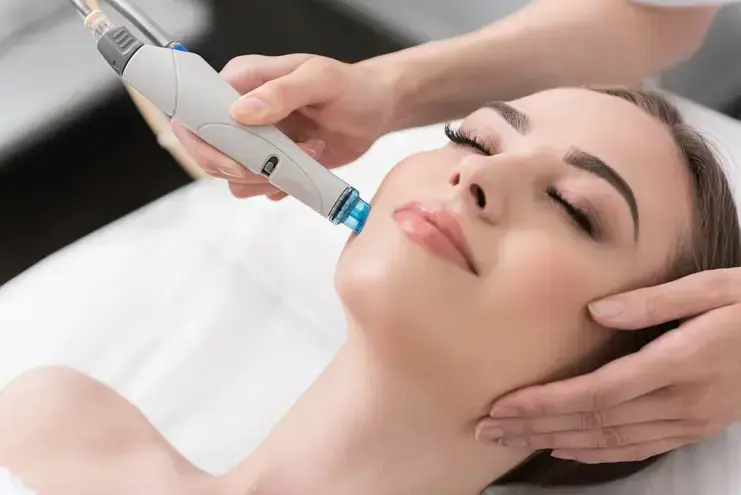
Laser skin treatments use controlled light energy, tuned to a specific wavelength, to address a defined skin concern — pigmentation, redness, unwanted tattoo ink, or uneven tone.
Schedule a Consultation
Medically reviewed by Dr. Chang Ye Ji, Chief Director, Toxnfill Hongdae
Laser skin treatments use controlled light energy, tuned to a specific wavelength, to address a defined skin concern — pigmentation, redness, unwanted tattoo ink, or uneven tone — while limiting effects on surrounding tissue. At Toxnfill Hongdae in Seoul, laser skin treatment is overseen by Chief Director Dr. Chang Ye Ji, whose documented clinical focus is laser dermatology.
What Are Laser Skin Treatments?
- Each laser is matched to a specific target: melanin (pigment) for toning lasers, hemoglobin for vascular lasers, or tattoo ink particles for removal lasers.
- Toxnfill Hongdae's laser category spans four treatments — Genesis Laser Toning, Pico Toning, laser tattoo removal, and vascular laser treatment — plus a Dual Toning option combining Pico and Genesis.
- Most sessions are quick: Pico Toning is listed at under five minutes of treatment time, while vascular laser sessions typically run 10–60 minutes depending on area.
- Downtime varies by treatment: toning and vascular lasers generally require little to none, while tattoo removal can involve several days of crusting or pigment change depending on intensity.
- Results are progressive — multiple sessions, spaced according to skin response, are the norm rather than a single-treatment outcome.
Who Performs Laser Skin Treatments at Toxnfill Hongdae
Dr. Chang Ye Ji, Chief Director at Toxnfill Hongdae, graduated from South Korean medical training and completed her dermatology residency at clinical training in Seoul, where she also serves as Clinical Assistant Professor of Dermatology. Laser dermatology is listed among her core specializations, alongside scar treatment and cosmetic/aesthetic dermatology — directly relevant to selecting laser type, wavelength, and settings for a given skin concern. She is a member of the Korean Society of Laser Medicine in Skin & Hair and the Korean Association for Laser, Dermatology and Trichology (KALDAT), and has authored multiple peer-reviewed dermatology publications. At consultation, the clinician evaluates pigmentation pattern, skin condition, medical history, medications, and previous treatments before selecting the appropriate laser type and settings.
Laser Treatment Options Available

| Treatment | Device / mechanism | Primary use |
|---|---|---|
| Genesis Laser Treatment | GentleMax Pro Plus Genesis | Melasma, dark spots, freckles, general pigmentation, redness, pores |
| Pico Toning | Picosecond laser, melanin-responsive wavelengths | Hyperpigmentation, melasma, freckles, sun spots, uneven tone |
| Dual Toning | Combined Pico + Genesis | Broader pigmentation and skin-quality improvement |
| Laser Tattoo Removal | Laser targeting tattoo ink | Single- and multi-color tattoos, including cosmetic brow/eyeliner tattoos |
| Vascular Laser Treatment | GV Laser (532/1064 nm, Genesis modes) and Quanta 585 solid-state laser | Facial flushing, redness, spider veins, vascular lesions |
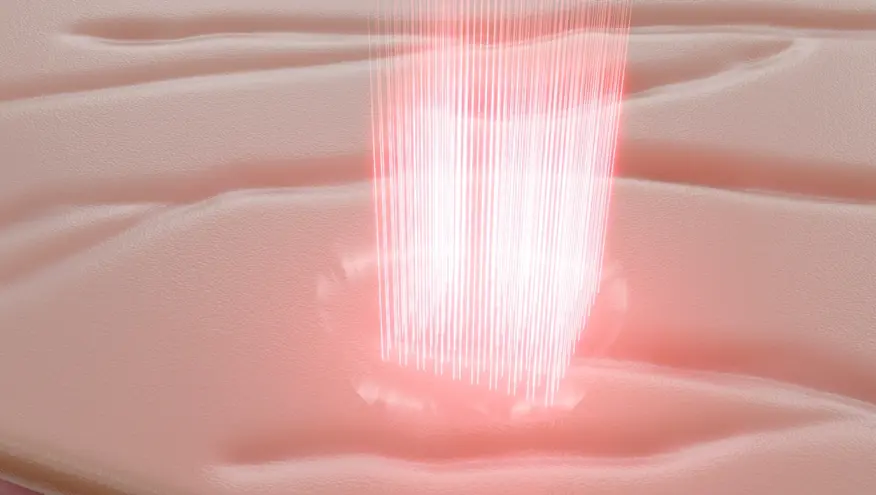
The clinic states its Pico equipment delivers pulses roughly 1,000 times faster than conventional nanosecond lasers, using wavelengths tuned to respond to melanin — intended to fragment pigment more precisely while limiting damage to surrounding tissue. Vascular treatment uses wavelengths specifically absorbed by hemoglobin, heating and collapsing targeted vessels so the body can reabsorb them naturally over subsequent weeks.
Who Is a Good Candidate for Laser Skin Treatment?
- Adults with uneven skin tone, pigmentation (melasma, freckles, sun spots), visible pores, or acne-related discoloration who have seen limited improvement from topical or conventional treatments.
- Patients with facial flushing, visible or dilated blood vessels, or rosacea-related redness — candidates for vascular laser treatment specifically.
- Individuals with an unwanted tattoo (including cosmetic brow or eyeliner tattoos) whose ink type, color, and skin condition make it a reasonable candidate for laser fading.
- Not generally suitable for patients with active skin infection, significant irritation or open wounds, certain photosensitivity conditions, or those on photosensitizing medications without medical clearance.
- Suitability, and which specific laser is appropriate, is always confirmed through an individual consultation reviewing skin type, condition, and treatment history.
What to Expect: Procedure, Recovery, and Results Timeline
- Consultation. The clinician evaluates pigmentation pattern, vascular concern, or tattoo characteristics, along with skin type, medical history, and previous treatments.
-Preparation. The treatment area is cleansed; numbing cream may be used depending on the specific laser and treatment plan.
-Laser delivery. Energy is applied to the targeted skin at settings individualized to the concern — for example, melanin-responsive wavelengths for Pico Toning, or hemoglobin-targeted wavelengths for vascular treatment.
-Aftercare. Moisturizing and daily sun protection are recommended across all laser treatments; patients are generally advised to avoid heavy alcohol, saunas, hot baths, and intense exercise for roughly three to seven days after Genesis or Pico treatment.
Recovery timelines differ by treatment: Pico Toning and vascular laser treatment generally involve little to no downtime, with any redness settling within days; tattoo removal can involve crusting or temporary pigment change that resolves over a longer period depending on treatment intensity. Results build progressively — Pico Toning is often performed at one-to-two-week intervals with visible effects typically reported after approximately five to ten sessions, while vascular laser treatment shows immediate reduction in redness with fuller vascular clearing over the following weeks as treated vessels are reabsorbed.
Combining Laser Treatments with Other Options
-Dual Toning (Pico + Genesis): offered by the clinic as a combined approach for broader pigmentation and skin-quality improvement.
-Pico Toning + Brightening Care: a combination package the clinic lists for enhanced tone improvement.
-Vascular laser + Genesis or pore-refining treatments: combined for more comprehensive rejuvenation addressing both redness and overall skin quality.
-Laser + skin boosters or peels: may be considered together depending on the individual's combined pigmentation, texture, and hydration concerns, determined at consultation.
Safety, Precision, and Clinic Standards

- Toxnfill Hongdae is a Registered Medical Institution for Attracting Foreign Patients, certified by Korea's Ministry of Health and Welfare.
- Laser treatment is overseen by a dermatologist whose academic and clinical work centers on laser dermatology, with membership in the Korean Society of Laser Medicine in Skin & Hair and KALDAT.
- The clinic states its vascular laser platforms meet approved safety standards certified by the US FDA, European CE, and Korea's KFDA.
- Independent research on picosecond lasers reports a favorable safety profile across a wide range of applications, with published studies showing transient erythema as the most common side effect and adverse effects generally minimal.
- Ablative resurfacing lasers should never be used for melasma or post-inflammatory hyperpigmentation, per published dermatology guidance, since this can worsen the condition — an example of why laser type and settings must be individually matched to the specific pigmentation concern rather than applied uniformly.
- The clinic's own stated guidance avoids guaranteeing permanent or thorough results for any laser treatment, consistent with the variability documented in the clinical literature.
The Bottom Line
- Laser skin treatments at Toxnfill Hongdae address pigmentation, redness/vascular concerns, and unwanted tattoos using wavelength-specific technology.
- Options include Genesis Laser Toning, Pico Toning (and Dual Toning), laser tattoo removal, and vascular laser treatment.
- Treatment is overseen by Chief Director Dr. Chang Ye Ji, whose clinical and academic focus is laser dermatology.
- Downtime is generally minimal for toning and vascular treatments; tattoo removal requires longer, multi-session healing.
- Candidacy and laser selection are always confirmed through an individual consultation.
Frequently Asked Questions
 ** What is the difference between Genesis and Pico Toning?** Genesis targets pigmentation and overall skin quality from the dermal layer, working well for melasma, dark spots, and general discoloration. Pico Toning uses much shorter, faster pulses specifically tuned to melanin, often chosen for more resistant or fine, widespread pigmentation. The clinic also offers Dual Toning, combining both.** Is laser tattoo removal guaranteed to fully remove a tattoo?** No — the clinic is explicit that complete removal is not guaranteed and results vary by ink color, depth, tattoo age, and individual skin response. Multiple sessions are typically required, and fading occurs gradually as the body clears fragmented ink.** How many sessions of Pico Toning will I need?** Treatments are commonly spaced one to two weeks apart, with visible effects typically reported after roughly five to ten sessions, depending on the individual's pigmentation and skin condition.** Can laser treatment help with facial redness or visible blood vessels?** Yes — vascular laser treatment specifically targets hemoglobin in blood vessels, causing them to collapse and be naturally reabsorbed. The clinic reports immediate improvement in general redness, with fuller vascular clearing over subsequent weeks.** Is laser treatment safe for melasma?** Laser selection matters significantly for melasma — published dermatology guidance specifically advises against ablative resurfacing lasers for melasma, since they can worsen pigmentation. Non-ablative and pigment-specific lasers, chosen individually at consultation, are the more appropriate category.** Who will perform my treatment?**
Laser skin treatment at Toxnfill Hongdae is overseen by Chief Director Dr. Chang Ye Ji, whose clinical and academic focus is laser dermatology; the specific laser and settings are individualized at consultation.
Book a Consultation at Toxnfill Hongdae
To find out which laser treatment suits your skin concern, contact Toxnfill Hongdae in Seoul's Hongdae/Mapo-gu district. The clinic is open weekdays 10:30–21:00 and weekends 10:00–17:00 (Korea Standard Time). Enquiries can be made through the clinic's contact page via our online inquiry form.
Disclaimer
This page is for general informational purposes and does not constitute individualized medical advice. Candidacy, laser selection, and expected outcomes can only be determined through a consultation with a qualified physician.
Sources & Further Reading
- Medical Applications of Picosecond Lasers for Removal of Non-Tattoo Skin Lesions — A Comprehensive Review — MDPI
- Melasma and Post Inflammatory Hyperpigmentation Treatment Update — Skin Therapy Letter
- Comparison of the efficacy and safety of picosecond Nd:YAG laser, picosecond alexandrite laser and 2% hydroquinone cream in the treatment of melasma — Frontiers in Medicine
Clinical Notice: Individual treatment outcomes and recovery timelines may vary depending on skin condition and personal physiology. Temporary redness, mild swelling, or bruising may occur after treatment; a pre-procedure physician consultation is always conducted.
Related Services
Procedures available within our clinical departments.

Cryo Iontzyme Skin Treatment
Cryo Iontzyme Skin Treatment is a non-invasive treatment that combines cooling technology with ion-based delivery to support skin hydration, texture, and overall appearance.
Learn More

Juvelook Skin Booster
Juvelook Skin Booster combines Poly-D,L-Lactic Acid (PDLLA) with hyaluronic acid, micro-injected into the dermal layer to stimulate the skin's own collagen production while restoring volume and improving overall texture.
Learn More

Skin & Pore Botox
Skin & Pore Botox is a botulinum toxin treatment designed for skin texture rather than large muscle groups, delivered through multiple small intradermal injections into areas such as the butterfly zone/cheek where pores and oiliness ar...
Learn More