Personalized Medical Care & Dedicated International Patient Concierge


Laser Skin Treatments · Consultation Required
Pico Toning
Pico Toning uses picosecond-domain laser pulses — delivered roughly 1,000 times faster than conventional nanosecond lasers — to break pigment particles into finer fragments the body can clear more easily,
Schedule a Consultation
Medically reviewed by Dr. Chang Ye Ji, Chief Director, Toxnfill Hongdae
Pico Toning uses picosecond-domain laser pulses — delivered roughly 1,000 times faster than conventional nanosecond lasers — to break pigment particles into finer fragments the body can clear more easily, helping improve melasma, freckles, sun spots, blemishes, and overall skin tone. At Toxnfill Hongdae in Seoul, sessions are listed at within 5 minutes with no required downtime, and treatment is overseen by Chief Director Dr. Chang Ye Ji, whose clinical practice centers on laser and energy-based dermatology.
What Is Pico Toning?
- Pico Toning delivers ultra-short, picosecond-range laser pulses tuned to wavelengths that respond to melanin, fragmenting pigment into finer particles than longer-pulsed lasers.
- Toxnfill Hongdae states its Pico equipment fires roughly 1,000 times faster than conventional nanosecond lasers, aiming for more precise pigmentation targeting with less surrounding-tissue heat.
- The mechanism is primarily photomechanical rather than photothermal — pigment is fragmented by pressure waves rather than heat, which is intended to reduce thermal damage to nearby skin.
- A session is listed as taking within 5 minutes, with treatment intervals of roughly 1–2 weeks depending on skin condition.
- Toxnfill Hongdae reports no required downtime, though visible improvement is generally described after a course of approximately 5–10 sessions or more.
Who Performs Pico Toning at Toxnfill Hongdae

Dr. Chang Ye JiChief Director at Toxnfill Hongdae
Dr. Chang Ye Ji, Chief Director at Toxnfill Hongdae, serves as Representative Director of Toxnfill Hongdae (following leadership roles as Representative Director of Toxnfill Bupyeong and Vice Director at Abijou Clinic Ilsan) and is an active member of the Korean Academy of Aesthetic Medicine and the Korean Filler Association. Her documented core specializations include laser dermatology and aesthetic/petite procedures, directly covering the picosecond laser technology class Pico Toning belongs to, and she is a member of several Korean aesthetic and laser-medicine professional societies, including the Korean Society of Cosmetic Plastic Laser Medicine and the Korean Society of Laser Medicine in Skin & Hair. Before treatment, she evaluates the pigmentation pattern — whether it is faint and widespread, such as melasma, or more discrete, such as freckles or sun spots — since pulse settings are adjusted according to pigment depth and skin response.
Who Is a Good Candidate for Pico Toning?
- People concerned about hyperpigmentation, melasma, freckles, sun spots, or faint, widespread discoloration who want a brighter-looking overall tone.
- Patients seeking a laser option with reduced discomfort due to the rapid picosecond pulse technology.
- Those willing to commit to a multi-session course, since Pico Toning's effect on pigmentation builds gradually rather than after a single visit.
- Not suitable for people with active skin infection, significant irritation, or certain photosensitivity conditions until medically evaluated.
What to Expect: Procedure, Recovery, and Results Timeline

-Consultation. The doctor evaluates the pigmentation pattern and overall skin condition to confirm Pico Toning is the appropriate laser.
-Preparation. The skin is cleansed; the clinic describes the treatment as having reduced pain due to its rapid pulse technology, and routine anesthesia is not always required.
-Treatment. The Pico laser is applied to the targeted areas; a session is listed as taking within 5 minutes.
-Aftercare. Moisturizer and daily sunscreen are recommended; scrubs, peeling treatments, and irritating actives such as retinol are avoided immediately afterward.
Toxnfill Hongdae lists no required downtime, though temporary redness, a burning sensation, dryness, or occasional scabbing can occur; patients should not pick at any scabs that develop. Treatments are typically spaced 1–2 weeks apart, and the clinic notes visible effects are generally reported after approximately 5–10 sessions or more — pigmentation clearing with picosecond lasers is a gradual, cumulative process rather than an instant change, consistent with published melasma studies showing significant pigment clearance emerging over a course of treatments and continuing to be assessed months afterward.
International patients traveling to Seoul for Pico Toning can typically plan a short visit per session because there is no listed downtime, though a full course usually needs to be spread across a longer stay or multiple return trips to Korea, given the recommended 1–2 week spacing between sessions.
Combining Pico Toning with Other Treatments
-Pico Toning + Brightening Care: offered by Toxnfill Hongdae to complement pigment fragmentation with additional brightening-focused skincare.
-Dual Toning (Pico + Genesis): pairs Pico Toning's pigment-fragmenting pulses with Genesis's redness- and pore-focused heating in the same visit.
Safety, Precision, and Clinic Standards
- Toxnfill Hongdae is a Registered Medical Institution for Attracting Foreign Patients, certified by Korea's Ministry of Health and Welfare under the Medical Overseas Expansion and Foreign Patients Attraction Act.
- Picosecond lasers such as the PicoWay platform have received FDA clearance specifically for melasma, lentigines, café-au-lait macules, and related pigmentary conditions, reflecting a broader regulatory and clinical evidence base for this laser class.
- Published research describes picosecond lasers as producing a more photomechanical than photothermal effect, fragmenting pigment efficiently while aiming to minimize thermal damage to surrounding tissue — consistent with Toxnfill Hongdae's own description of its Pico technology.
- A randomized, controlled, assessor-blinded trial comparing picosecond Nd:YAG and picosecond alexandrite lasers against topical treatment found picosecond laser toning to be an effective option for melasma management.
- Reported side effects are typically temporary — redness, dryness, or occasional scabbing that resolves without intervention; individual risk should always be confirmed with the treating clinician.
The Bottom Line
- Pico Toning uses picosecond-range laser pulses to fragment pigment for melasma, freckles, sun spots, and uneven tone, with minimal thermal damage to surrounding skin.
- Toxnfill Hongdae lists sessions at within 5 minutes with no required downtime, though a course of roughly 5–10 sessions or more is typically needed for visible results.
- Care is overseen by Chief Director Dr. Chang Ye Ji, whose clinical focus is laser and energy-based dermatology.
- Picosecond lasers have FDA clearance for melasma and related pigmentary conditions, reflecting an established clinical evidence base.
- Pico Toning can be paired with Brightening Care or combined with Genesis as Dual Toning for broader tone correction.
Frequently Asked QuestionsHow many Pico Toning sessions will I need? Toxnfill Hongdae generally reports visible effects after approximately 5–10 sessions or more, spaced roughly 1–2 weeks apart, since pigment clearance with picosecond lasers develops gradually over a treatment course.** Is Pico Toning painful?** It is generally well tolerated; the clinic describes reduced pain due to the rapid picosecond pulse technology, and most patients feel mild warmth, tingling, or a slight snapping sensation rather than significant pain.** Is there downtime after Pico Toning?** Toxnfill Hongdae lists no required downtime, though temporary redness, dryness, or occasional scabbing can occur and typically resolves on its own.** What pigmentation concerns can Pico Toning address?** The treatment is positioned for melasma, freckles, sun spots, blemishes, hyperpigmentation, and general uneven skin tone, based on an individual pigmentation assessment.** Can Pico Toning be combined with other treatments?** Yes — Toxnfill Hongdae offers Pico Toning + Brightening Care and Dual Toning, which combines Pico Toning with Genesis Laser Treatment in the same visit.** Who will perform my treatment?**
Pico Toning at Toxnfill Hongdae is overseen by Chief Director Dr. Chang Ye Ji, whose clinical and academic focus is in laser and energy-based dermatology; pulse settings are customized at consultation based on your pigmentation pattern.
Book a Consultation at Toxnfill Hongdae
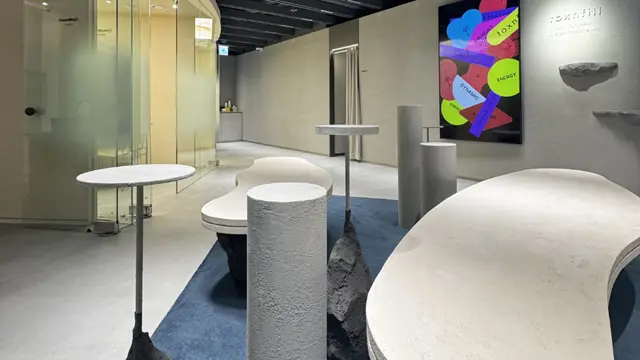
To discuss whether Pico Toning suits your pigmentation concerns, contact Toxnfill Hongdae in Seoul's Hongdae/Mapo-gu district. The clinic is open weekdays 10:30–21:00 and weekends 10:00–17:00 (Korea Standard Time). Enquiries can be made through the clinic's contact page via our online inquiry form.
Disclaimer
This page is for general informational purposes and does not constitute individualized medical advice. Candidacy, technique, and expected outcomes can only be determined through a consultation with a qualified physician.
Sources & Further Reading
- FDA Clears PicoWay Laser for Melasma, Lentigines, and More — Dermatology Times
- Comparison of the efficacy and safety of picosecond Nd:YAG laser (1,064 nm), picosecond alexandrite laser (755 nm) and 2% hydroquinone cream in the treatment of melasma — Frontiers in Medicine
- Efficacy and Safety of Picosecond Laser in the Treatment of Melasma: A Network Meta-analysis — Dermatologic Surgery
Clinical Notice: Individual treatment outcomes and recovery timelines may vary depending on skin condition and personal physiology. Temporary redness, mild swelling, or bruising may occur after treatment; a pre-procedure physician consultation is always conducted.
Other Services
Explore additional treatments offered by our specialists.

Cryo Iontzyme Skin Treatment
Cryo Iontzyme Skin Treatment is a non-invasive treatment that combines cooling technology with ion-based delivery to support skin hydration, texture, and overall appearance.
Learn More

Juvelook Skin Booster
Juvelook Skin Booster combines Poly-D,L-Lactic Acid (PDLLA) with hyaluronic acid, micro-injected into the dermal layer to stimulate the skin's own collagen production while restoring volume and improving overall texture.
Learn More

Skin & Pore Botox
Skin & Pore Botox is a botulinum toxin treatment designed for skin texture rather than large muscle groups, delivered through multiple small intradermal injections into areas such as the butterfly zone/cheek where pores and oiliness ar...
Learn More