Personalized Medical Care & Dedicated International Patient Concierge

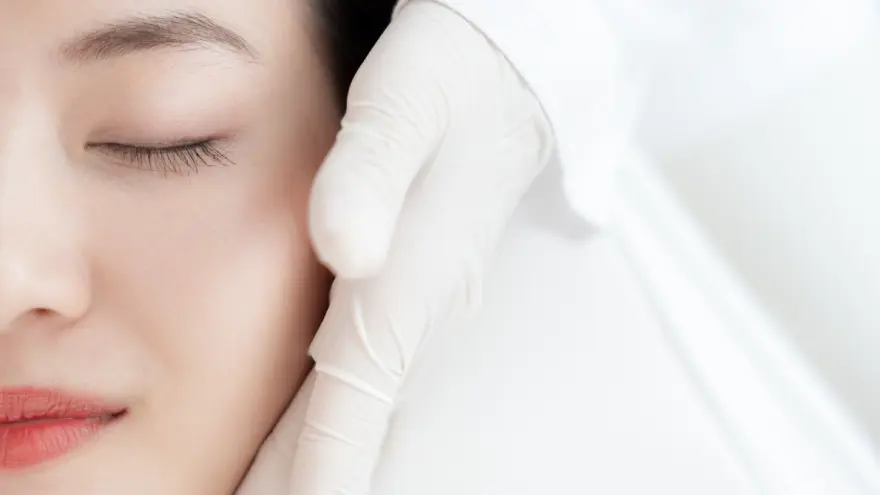
Medical Skin Care & Peels · Consultation Required
LHALA Peel
LHALA Peel combines neutral pH 5.5 lipohydroxy acid (LHA) with alkali and lipid components to slowly dissolve excess keratin protein without mechanical microdermabrasion. Rather than stripping the skin's surface, the formulation is des...
Schedule a Consultation
Medically reviewed by Dr. Chang Ye Ji, Chief Director, Toxnfill Hongdae
LHALA Peel combines neutral pH 5.5 lipohydroxy acid (LHA) with alkali and lipid components to slowly dissolve excess keratin protein without mechanical microdermabrasion. Rather than stripping the skin's surface, the formulation is designed to normalize the skin's natural cell-turnover cycle from within while reinforcing the skin barrier. At Toxnfill Hongdae in Seoul, LHALA Peel is provided under the guidance of Chief Director Dr. Chang Ye Ji, whose documented clinical focus includes cosmetic and aesthetic dermatology, laser-based skin treatments, and general dermatologic care.
What Is LHALA Peel?
- LHALA Peel uses a hypoallergenic, pH-neutral (5.5) lipohydroxy acid formulation combined with lipids to dissolve keratin proteins gradually, rather than through harsh chemical stripping.
- The clinic's multi-stage protocol layers dissolution agents with post-peel ultrasound penetration and calming LED therapy.
- It is positioned as a fourth-generation peeling treatment intended to normalize exfoliation while rebuilding, rather than depleting, the skin barrier.
- No anesthesia is required, and the formulation is designed to avoid the stinging or burning sensation associated with stronger acid peels.
Who Performs LHALA Peel at Toxnfill Hongdae

Dr. Chang Ye JiChief Director at Toxnfill Hongdae
Dr. Chang Ye Ji, Chief Director at Toxnfill Hongdae, serves as Representative Director of Toxnfill Hongdae (following leadership roles as Representative Director of Toxnfill Bupyeong and Vice Director at Abijou Clinic Ilsan) and is an active member of the Korean Academy of Aesthetic Medicine and the Korean Filler Association. Her documented core specializations include laser dermatology, scar treatment, and cosmetic/aesthetic dermatology. LHALA Peel's barrier-focused, low-irritation profile fits within this broader dermatologic practice, and the number of sessions and whether the peel is timed alongside laser treatments is individualized to the patient's oil-water balance and skin sensitivity at consultation.
Who Is a Good Candidate for LHALA Peel?
- Patients with sensitive skin who want exfoliation without itching, stinging, or visible flaking.
- Individuals with disrupted oil-water balance, dull tone, or rough surface texture.
- Patients who want a peel that can be scheduled alongside laser procedures without excessive combined irritation.
- Patients without open facial wounds, active severe infections, or known allergies to LHA or lipid-based formulations, to be confirmed at consultation.
What to Expect: Procedure, Recovery, and Results Timeline
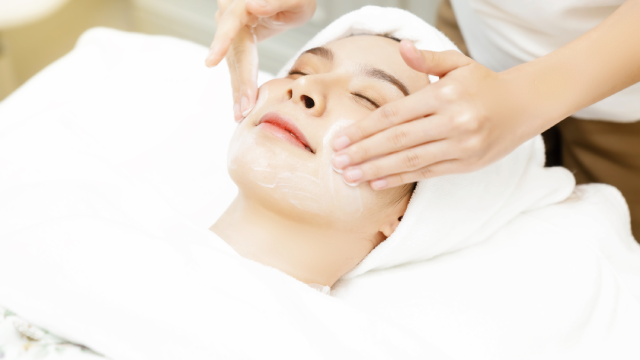
-Cleansing. The skin is thoroughly cleansed before treatment begins.
-Peel Agent 1 & 2. The two-stage LHALA solution is applied to gradually dissolve surface keratin.
-Moisture serum and ultrasound. A hydrating serum is delivered with ultrasound to support penetration.
-Regenerative LED and modeling pack. The session finishes with calming LED light therapy and a modeling mask.
A session takes approximately 20–30 minutes, with the clinic recommending weekly sessions for a course of five or more treatments. There is zero required downtime — heavy peeling or scabbing is not expected, though temporary mild redness or minor irritation can occur, including a brief surfacing of underlying acne as the skin's normal cell cycle resets. Texture improvements are typically visible shortly after treatment, with cumulative barrier strengthening building over the full course.
Combining LHALA Peel with Other Treatments
LHALA Peel is commonly scheduled alongside laser procedures, with intervals adjusted to match laser downtime, or paired with vitamin/hydration care to reinforce barrier support. Because the formulation is designed to be gentle, it is often positioned as a maintenance step between more intensive resurfacing treatments rather than a standalone deep peel — sequencing should be planned individually with the treating clinician.
Safety, Precision, and Clinic Standards
- Toxnfill Hongdae is a Registered Medical Institution for Attracting Foreign Patients, certified by Korea's Ministry of Health and Welfare under the Medical Overseas Expansion and Foreign Patients Attraction Act.
- LHA (lipohydroxy acid) is a documented salicylic acid derivative with keratolytic, comedolytic, sebostatic, anti-inflammatory, and antimicrobial properties; peer-reviewed dermatology literature describes its slower penetration as producing individual cell-by-cell exfoliation associated with excellent tolerability compared with standard salicylic acid.
- Published clinical research on topical LHA in acne-prone patients has documented measurable comedolysis and reduced follicular bacterial load using computerized image analysis, supporting its use as a gentler keratolytic option.
- The American Academy of Dermatology advises that chemical peel procedures be performed only under the supervision of a licensed, trained provider, given that outcomes and safety depend substantially on technique.
- Aftercare guidance for exfoliating treatments recommends a broad-spectrum, water-resistant SPF 30+ sunscreen, since freshly treated skin is more vulnerable to UV-related irritation.
The Bottom Line
- LHALA Peel is a hypoallergenic, pH-neutral peel combining LHA and lipids to gently dissolve keratin while reinforcing the skin barrier.
- It requires no anesthesia, carries zero downtime, and is designed to avoid the stinging associated with harsher chemical peels.
- The clinic recommends a course of five or more weekly sessions for cumulative barrier-strengthening results.
- It can be scheduled alongside laser treatments or hydration care, adjusted to individual skin tolerance.
- Care is guided by Chief Director Dr. Chang Ye Ji, whose clinical focus includes cosmetic and aesthetic dermatology.
Frequently Asked QuestionsIs LHALA Peel suitable for sensitive skin? Yes — it is specifically formulated at a neutral pH (5.5) with hypoallergenic LHA and lipids to minimize irritation for sensitive or barrier-compromised skin.** Will my skin visibly peel or scab afterward?** No — the clinic describes zero downtime, with no heavy visible peeling or scabbing expected, unlike some traditional AHA/BHA peels.** How many sessions will I need?** The clinic recommends a course of five or more sessions at roughly weekly intervals for cumulative barrier and texture benefits.** Can it be combined with laser treatments?** Yes — LHALA Peel is often scheduled alongside laser procedures, with the treatment interval adjusted by the clinician to match laser recovery.** What should I avoid before and after treatment?** Avoid home peeling treatments and excessive sauna exposure before your session, and avoid saunas, hot baths, and home peels afterward while applying moisture serum and daily sunscreen.** Is the treatment painful?**
No — the hypoallergenic, pH-neutral formulation is designed for a comfortable treatment without stinging or heat.
Book a Consultation at Toxnfill Hongdae
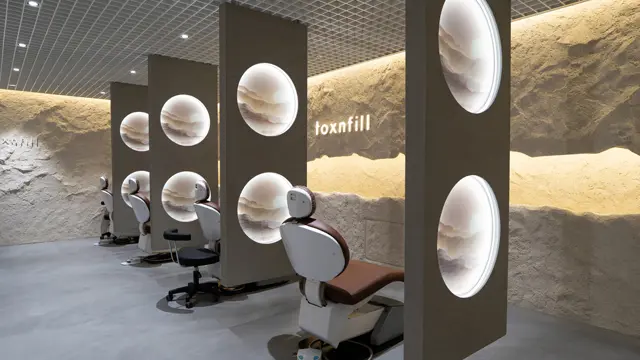
To find out whether LHALA Peel suits your skin barrier and texture goals, contact Toxnfill Hongdae in Seoul's Hongdae/Mapo-gu district. The clinic is open weekdays 10:30–21:00 and weekends 10:00–17:00 (Korea Standard Time). Enquiries can be made through the clinic's contact page via our online inquiry form. Patient experiences with this and related treatments can be reviewed on the clinic's reviews page.
Disclaimer
This page is for general informational purposes and does not constitute individualized medical advice. Candidacy, technique, and expected outcomes can only be determined through a consultation with a qualified physician.
Sources & Further Reading
- Chemical Peels: Overview — American Academy of Dermatology
- Nudging acne by topical beta-lipohydroxy acid (LHA), a new comedolytic agent — PubMed
- The Use of Lipohydroxy Acid in Skin Care and Acne Treatment — Journal of Clinical and Aesthetic Dermatology
Clinical Notice: Individual treatment outcomes and recovery timelines may vary depending on skin condition and personal physiology. Temporary redness, mild swelling, or bruising may occur after treatment; a pre-procedure physician consultation is always conducted.
Other Services
Explore additional treatments offered by our specialists.

Cryo Iontzyme Skin Treatment
Cryo Iontzyme Skin Treatment is a non-invasive treatment that combines cooling technology with ion-based delivery to support skin hydration, texture, and overall appearance.
Learn More
Juvelook Skin Booster
Juvelook Skin Booster combines Poly-D,L-Lactic Acid (PDLLA) with hyaluronic acid, micro-injected into the dermal layer to stimulate the skin's own collagen production while restoring volume and improving overall texture.
Learn More

Skin & Pore Botox
Skin & Pore Botox is a botulinum toxin treatment designed for skin texture rather than large muscle groups, delivered through multiple small intradermal injections into areas such as the butterfly zone/cheek where pores and oiliness ar...
Learn More