Personalized Medical Care & Dedicated International Patient Concierge

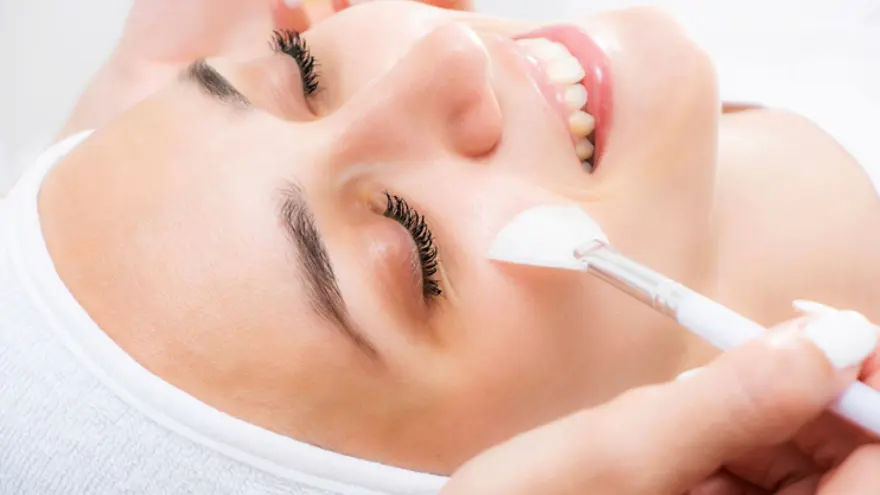
Medical Skin Care & Peels · Consultation Required
GA Peel
GA Peel is a medical-grade glycolic acid chemical peel that removes superficial dead skin cells to improve overall brightness and texture. Glycolic acid is one of the most extensively studied alpha-hydroxy acids in dermatology, valued...
Schedule a Consultation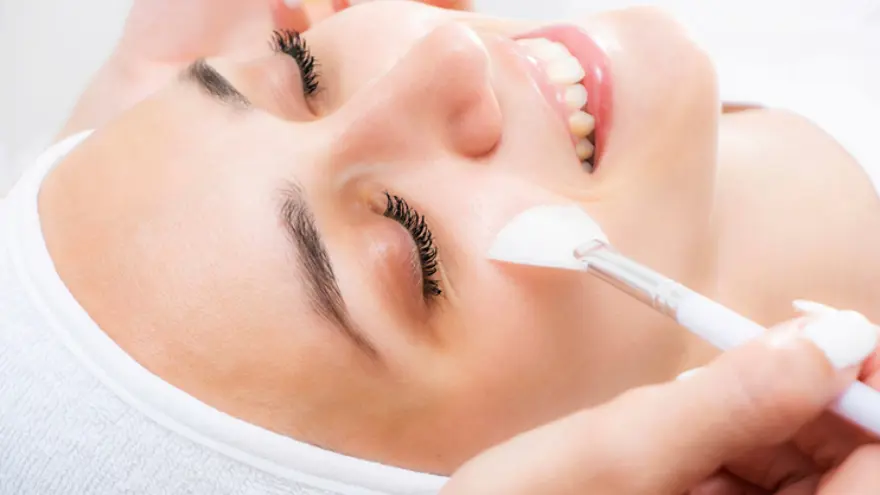
Medically reviewed by Dr. Chang Ye Ji, Chief Director, Toxnfill Hongdae
GA Peel is a medical-grade glycolic acid chemical peel that removes superficial dead skin cells to improve overall brightness and texture. Glycolic acid is one of the most extensively studied alpha-hydroxy acids in dermatology, valued for facilitating controlled keratolysis and cellular renewal while enhancing hydration. At Toxnfill Hongdae in Seoul, GA Peel is provided under the guidance of Chief Director Dr. Chang Ye Ji, whose documented clinical focus includes cosmetic and aesthetic dermatology and general dermatologic care.
What Is GA Peel?
- GA Peel applies a controlled, uniform layer of glycolic acid solution to cleansed skin to exfoliate the surface and refine texture.
- Treatment intensity is adjusted based on individual skin tolerance, using a standardized application-timing protocol.
- The peel is neutralized and removed before soothing skincare is applied to complete the session.
- No anesthesia is required for this mild exfoliation procedure.
Who Performs GA Peel at Toxnfill Hongdae

Dr. Chang Ye JiChief Director at Toxnfill Hongdae
Dr. Chang Ye Ji, Chief Director at Toxnfill Hongdae, serves as Representative Director of Toxnfill Hongdae (following leadership roles as Representative Director of Toxnfill Bupyeong and Vice Director at Abijou Clinic Ilsan) and is an active member of the Korean Academy of Aesthetic Medicine and the Korean Filler Association. Her documented core specializations include laser dermatology, scar treatment, and cosmetic/aesthetic dermatology — directly relevant to superficial chemical exfoliation treatments such as GA Peel. A clinician examines the skin and discusses the patient's concerns before determining whether the peel, and at what strength, is appropriate.
Who Is a Good Candidate for GA Peel?
- Patients with dull skin tone, uneven texture, or mild pigmentation concerns.
- Individuals wanting to improve absorption of topical skincare products following exfoliation.
- Patients seeking a chemical exfoliation option with minimal to zero downtime.
- Patients without open facial wounds, active viral infections, or severe eczema/psoriasis, to be confirmed at consultation.
What to Expect: Procedure, Recovery, and Results Timeline
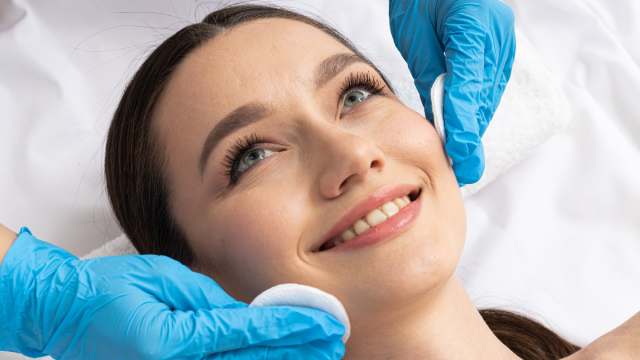
-Cleansing and prepping. The skin is cleansed and prepared for even solution application.
-Glycolic acid application. A controlled, uniform layer of glycolic acid solution is applied for a set duration based on individual tolerance.
-Neutralization and removal. The peel is neutralized and thoroughly removed from the skin.
-Soothing skincare. Calming products are applied to support recovery.
A single session takes approximately 20–30 minutes. Downtime is zero to minimal, with slight flaking or redness possible for one to three days after treatment. Visible glow typically appears within two to three days, and the clinic recommends a series of sessions scheduled every two to four weeks for cumulative, longer-lasting improvement in tone and texture. Because glycolic acid concentration and application time directly influence both results and irritation risk, the treating clinician reassesses skin tolerance at each visit and adjusts the protocol accordingly rather than applying a fixed strength across every session in the series.
Combining GA Peel with Other Treatments
GA Peel is frequently paired with soothing LED light therapy, hydrating facial care, or gentle laser toning for enhanced radiance. It may also be discussed alongside alternative peel types — such as salicylic acid for oilier or acne-prone skin, or lactic acid for drier skin — depending on the individual's specific concern, with the final choice made by the treating clinician.
Safety, Precision, and Clinic Standards
- Toxnfill Hongdae is a Registered Medical Institution for Attracting Foreign Patients, certified by Korea's Ministry of Health and Welfare under the Medical Overseas Expansion and Foreign Patients Attraction Act.
- Glycolic acid is described in dermatology literature as the most common alpha-hydroxy acid peel, valued for being simple, inexpensive, and generally associated with no significant downtime when performed as a superficial peel.
- Published clinical research has found glycolic acid peeling superior to placebo for improving acne, with statistically significant reductions in non-inflammatory lesions in a randomized, double-blind, split-face comparative study.
- A dedicated clinical review of glycolic acid peel therapy describes its mechanism as facilitating controlled keratolysis and cellular renewal while decreasing intercellular cohesion and stimulating collagen synthesis.
- Dermatology aftercare guidance recommends a broad-spectrum, water-resistant sunscreen of SPF 30 or higher after any chemical peel, since freshly exfoliated skin has heightened sun sensitivity.
- Reported risks associated with glycolic acid peeling include temporary redness, mild flaking, dryness, heightened sun sensitivity, and, rarely, post-inflammatory hyperpigmentation if sun protection is neglected during recovery.
The Bottom Line
- GA Peel is a medical-grade glycolic acid peel that exfoliates dead skin cells to improve tone, texture, and product absorption.
- It requires no anesthesia and carries zero to minimal downtime, with mild flaking possible for one to three days.
- The clinic recommends a series of sessions every two to four weeks for cumulative, longer-lasting results.
- It can be combined with LED therapy, hydrating facials, or gentle laser toning depending on individual goals.
- Care is guided by Chief Director Dr. Chang Ye Ji, whose clinical focus includes cosmetic and aesthetic dermatology.
Frequently Asked QuestionsWhat does GA Peel treat? GA Peel targets dullness, uneven texture, and mild pigmentation by removing superficial dead skin cells with a controlled glycolic acid application.** Is it painful?** Some patients experience temporary stinging or mild discomfort during application, with intensity depending on peel strength and individual skin sensitivity.** How much downtime is there?** Downtime is zero to minimal; slight flaking or redness may occur for one to three days.** How many sessions will I need?** The clinic recommends a series of sessions scheduled every two to four weeks for cumulative skin-health benefits.** What should I avoid before and after treatment?** Avoid strong exfoliants, retinoids, AHA/BHA products, and unmitigated sun exposure for three to five days before treatment, and use broad-spectrum SPF daily afterward while avoiding picking at any flaking skin.** Can GA Peel be combined with other treatments?**
Yes — it is often paired with soothing LED therapy, hydrating facial care, or gentle laser toning for enhanced radiance.
Book a Consultation at Toxnfill Hongdae

To find out whether GA Peel suits your tone and texture goals, contact Toxnfill Hongdae in Seoul's Hongdae/Mapo-gu district. The clinic is open weekdays 10:30–21:00 and weekends 10:00–17:00 (Korea Standard Time). Enquiries can be made through the clinic's contact page via our online inquiry form. Patient experiences with this and related treatments can be reviewed on the clinic's reviews page.
Disclaimer
This page is for general informational purposes and does not constitute individualized medical advice. Candidacy, technique, and expected outcomes can only be determined through a consultation with a qualified physician.
Sources & Further Reading
- Chemical Peels: Overview — American Academy of Dermatology
- Glycolic acid peel therapy - a current review — PubMed
- Clinical evaluation of glycolic acid chemical peeling in patients with acne vulgaris: a randomized, double-blind, placebo-controlled, split-face comparative study — PubMed
Clinical Notice: Individual treatment outcomes and recovery timelines may vary depending on skin condition and personal physiology. Temporary redness, mild swelling, or bruising may occur after treatment; a pre-procedure physician consultation is always conducted.
Other Services
Explore additional treatments offered by our specialists.

Cryo Iontzyme Skin Treatment
Cryo Iontzyme Skin Treatment is a non-invasive treatment that combines cooling technology with ion-based delivery to support skin hydration, texture, and overall appearance.
Learn More

Juvelook Skin Booster
Juvelook Skin Booster combines Poly-D,L-Lactic Acid (PDLLA) with hyaluronic acid, micro-injected into the dermal layer to stimulate the skin's own collagen production while restoring volume and improving overall texture.
Learn More

Skin & Pore Botox
Skin & Pore Botox is a botulinum toxin treatment designed for skin texture rather than large muscle groups, delivered through multiple small intradermal injections into areas such as the butterfly zone/cheek where pores and oiliness ar...
Learn More