Personalized Medical Care & Dedicated International Patient Concierge


Skin Lifting & Tightening · Consultation Required
DIA Lifting
DIA Lifting is a non-surgical thread-lifting treatment designed to help improve skin firmness and facial contour, using 5th-generation KFDA-certified PDO meltable threads with 3D compression-molded cogs to anchor and lift sagging tissue.
Schedule a Consultation
Medically reviewed by Dr. Chang Ye Ji, Chief Director, Toxnfill Hongdae
DIA Lifting is a non-surgical thread-lifting treatment designed to help improve skin firmness and facial contour, using 5th-generation KFDA-certified PDO meltable threads with 3D compression-molded cogs to anchor and lift sagging tissue. Treatment at Toxnfill Hongdae in Seoul is overseen by Chief Director Dr. Chang Ye Ji, whose clinical work centers on laser- and energy-based dermatology.
What Is DIA Lifting?
- DIA uses 5th-generation KFDA-certified PDO meltable threads featuring 3D compression-molded cogs that extend 360 degrees, like rose thorns, for multi-directional tissue fixation and tensile strength.
- The threads are manufactured through a non-heated compression technique that preserves their physical structure, volume, and mass while creating dense 3D cogs.
- Blunt cannulas are used to insert the threads, minimizing tissue damage, swelling, and treatment discomfort compared to sharp-needle insertion.
- The procedure typically takes approximately 20 to 40 minutes and is completed in a single visit session.
- Physical lifting is visible immediately after treatment, with skin elasticity and collagen improvements continuing to build around two weeks post-procedure.
Who Performs DIA Lifting at Toxnfill Hongdae
Dr. Chang Ye Ji, Chief Director at Toxnfill Hongdae, serves as Representative Director of Toxnfill Hongdae (following leadership roles as Representative Director of Toxnfill Bupyeong and Vice Director at Abijou Clinic Ilsan) and is an active member of the Korean Academy of Aesthetic Medicine and the Korean Filler Association. Her documented core specializations include laser dermatology and lifting- and laser-based aesthetic care, the general procedure category DIA Lifting belongs to. She is a member of several Korean aesthetic and laser-medicine professional societies, including the Korean Society of Cosmetic Plastic Laser Medicine, and has authored multiple peer-reviewed dermatology publications. A medical professional evaluates facial structure, skin laxity, and tissue thickness to determine treatment areas and the optimal number of threads before treatment.
Who Is a Good Candidate for DIA Lifting?
- Individuals seeking a smaller or slimmer facial line, or concerned about sagging cheeks, nasolabial folds, marionette lines, or a double chin.
- Patients desiring improved skin volume and elasticity through a structured thread-lifting approach.
- Not suitable for individuals with active skin infections, severe bleeding disorders, uncontrolled autoimmune conditions, pregnant or nursing women, or unrealistic expectations about non-surgical outcomes.
- Suitability is confirmed through evaluation by a medical professional.
What to Expect: Procedure, Recovery, and Results Timeline
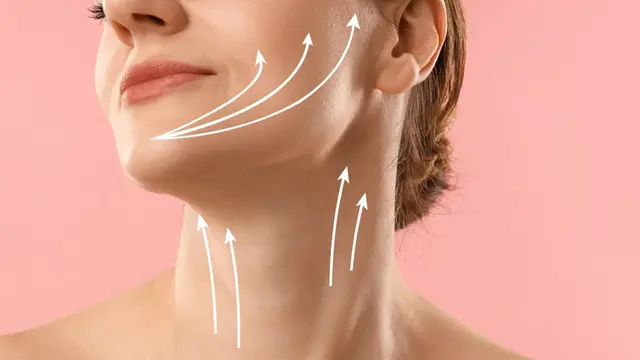
- Consultation. A medical professional evaluates facial structure, skin laxity, and tissue thickness to determine treatment areas and thread count.
-Preparation. The area is cleansed and prepped; ointment topical numbing cream and injection local anesthesia are administered.
-Treatment. Blunt cannulas insert the PDO threads into target deep skin layers; threads are pulled to anchor sagging tissue and trimmed safely at the entry point.
-Aftercare. Facial washing and light makeup are allowed the following day, with cold compresses recommended for the first three days.
Mild swelling and bruising generally resolve within one to two weeks. Patients are advised to avoid opening the mouth widely, laughing loudly, or sudden head movements for four weeks, and to take prescribed anti-inflammatory or pain relief medication for three days following the procedure.
Combining DIA Lifting with Other Treatments
DIA Lifting is frequently combined with botulinum toxin, hyaluronic acid dermal fillers, or skin booster injections to complement structural lifting with restored volume, according to the clinic.
Safety, Precision, and Clinic Standards
- Toxnfill Hongdae is a Registered Medical Institution for Attracting Foreign Patients, certified by Korea's Ministry of Health and Welfare under the Medical Overseas Expansion and Foreign Patients Attraction Act.
- DIA threads are 5th-generation KFDA-certified PDO material, with the clinic emphasizing biocompatibility and enhanced tensile strength from the 3D compression-molding manufacturing process.
- A published pilot study following combined hyaluronic acid filler and barbed PDO suspension thread treatment over one and two years reported favorable efficacy and safety outcomes for this general thread-lifting category.
- A separate systematic review of PDO thread techniques describes the approach as a comparatively under-studied but generally safe rejuvenation option when performed with modern absorbable barbed threads.
- Reported risks include temporary bruising, mild swelling, localized pain, and minor foreign-body sensation; rarely, thread extrusion or persistent irritation may occur, requiring medical follow-up.
The Bottom Line
- DIA Lifting uses KFDA-certified PDO threads with 3D compression-molded cogs, inserted via blunt cannula, to mechanically lift sagging tissue.
- The procedure takes about 20 to 40 minutes with visible lift immediately after treatment.
- Skin elasticity and collagen improvements continue to build for around two weeks, with results maintained for approximately one year or more.
- Care is overseen by Chief Director Dr. Chang Ye Ji, whose clinical focus is in laser- and energy-based dermatology.
- Candidacy and thread count are determined through evaluation by a medical professional.
Frequently Asked QuestionsIs DIA Lifting painful? Ointment topical numbing cream and injection local anesthesia are administered to ensure patient comfort during thread placement, and blunt cannulas are used specifically to minimize tissue damage and discomfort.** How long does the procedure take?** The procedure time takes approximately 20 to 40 minutes and is completed in a single visit session.** When will I see results?** Physical lifting is visible immediately after treatment, with skin elasticity and collagen improvements continuing to build around two weeks post-procedure.** How long do results last?** Results are reported to maintain for approximately one year or more, depending on individual skin condition.** What should I avoid after treatment?** Avoid opening the mouth widely, laughing loudly, or sudden head movements for four weeks, and avoid excessive alcohol, saunas, hot baths, and strenuous exercise for one week.** Who will perform my treatment?**
DIA Lifting at Toxnfill Hongdae is overseen by Chief Director Dr. Chang Ye Ji, whose clinical focus is in laser- and energy-based dermatology; thread count and placement are customized at consultation.
Book a Consultation at Toxnfill Hongdae
To discuss whether DIA Lifting suits your skin and goals, contact Toxnfill Hongdae in Seoul's Hongdae/Mapo-gu district. The clinic is open weekdays 10:30–21:00 and weekends 10:00–17:00 (Korea Standard Time). Enquiries can be made through the clinic's contact page via our online inquiry form.
Disclaimer
This page is for general informational purposes and does not constitute individualized medical advice. Candidacy, technique, and expected outcomes can only be determined through a consultation with a qualified physician.
Sources & Further Reading
- A Pilot One and Two-Year Prospective, Blinded Clinical Evaluation of Efficacy and Safety of Combined Treatment With Crosslinked Hyaluronic Acid Dermal Filler and Barbed Polydioxanone Suspension Threads — PMC
- Using PDO Threads: A Scarcely Studied Rejuvenation Technique — Journal of Cosmetic Dermatology (Wiley)
Clinical Notice: Individual treatment outcomes and recovery timelines may vary depending on skin condition and personal physiology. Temporary redness, mild swelling, or bruising may occur after treatment; a pre-procedure physician consultation is always conducted.
Other Services
Explore additional treatments offered by our specialists.

Cryo Iontzyme Skin Treatment
Cryo Iontzyme Skin Treatment is a non-invasive treatment that combines cooling technology with ion-based delivery to support skin hydration, texture, and overall appearance.
Learn More

Juvelook Skin Booster
Juvelook Skin Booster combines Poly-D,L-Lactic Acid (PDLLA) with hyaluronic acid, micro-injected into the dermal layer to stimulate the skin's own collagen production while restoring volume and improving overall texture.
Learn More

Skin & Pore Botox
Skin & Pore Botox is a botulinum toxin treatment designed for skin texture rather than large muscle groups, delivered through multiple small intradermal injections into areas such as the butterfly zone/cheek where pores and oiliness ar...
Learn More