Personalized Medical Care & Dedicated International Patient Concierge

Medical Guide
Botox vs Dermal Fillers: Which Treats Which Wrinkle
Medically reviewed by Dr. Byun Sung Ho, MD, Director, Toxnfill Hongdae The Botox vs filler difference has one practical test behind it: look in a mirror, relax your face completely
Schedule a ConsultationMedically reviewed by Dr. Byun Sung Ho, MD, Director, Toxnfill Hongdae
The Botox vs filler difference has one practical test behind it: look in a mirror, relax your face completely, and see whether the line is still there. If it appears when you frown, smile or raise your brows and vanishes at rest, a muscle is making it. If it stays when your face is still, volume or skin structure is involved. Toxnfill Hongdae describes Botox as temporarily reducing muscle activity, and its filler treatments as adding volume where facial fullness or wrinkle correction is wanted. Those are two answers to two different questions.
The Test That Sorts Most Cases
A 2023 review of botulinum toxin techniques published in Toxins explains why this test works anatomically. Facial expression muscles attach to the skin through a connective layer rather than anchoring to bone, so when the muscle contracts the overlying skin travels with it, and the resulting dynamic wrinkle forms at right angles to the direction the muscle pulls. Repeat that motion for years and the dermis thins and the skin begins to pleat.
The same review states the treatment rule directly. Patients with dynamic wrinkles — those that form during facial expression — are the group indicated for botulinum toxin, and it names the glabella, forehead, area around the eyes, and lines around the nose and mouth as common sites. Patients whose wrinkles are present at rest can also be treated, it says, but results are less dramatic, and reaching an ideal outcome may require further sessions or additional procedures such as fillers.
That last clause is the whole comparison in one sentence, written by people with no product to sell you.
What Botulinum Toxin Does at the Nerve Ending
The FDA-approved labeling for the cosmetic form of onabotulinumtoxinA describes the mechanism precisely enough to be worth reading closely. The product blocks transmission at the junction between nerve and muscle by binding to acceptor sites on motor nerve terminals, entering those terminals, and preventing the release of acetylcholine, the chemical messenger that tells a muscle to contract. It does this by cleaving a presynaptic protein called SNAP-25, which the vesicles carrying acetylcholine need in order to dock and release their contents.
The result, in the labeling's own framing, is partial chemical denervation and a localized reduction in muscle activity. It also notes the process is not permanent: nerve endings sprout, extra receptors develop outside the junction, and reinnervation eventually reverses the effect.
The timing follows from that mechanism. The labeling states that chemical denervation of injected muscles begins one to two days after injection and increases in intensity through the first week, and that the duration of effect for frown lines is approximately three to four months.
Toxnfill Hongdae's account is consistent: it describes effects developing gradually rather than immediately, commonly becoming noticeable within several days, and states that results are temporary with repeat treatment needed as muscle activity returns.
The Boxed Warning Nobody Should Skip
The approved labeling carries the FDA's most serious form of warning, headed with the risk of the toxin's effect spreading beyond the injection area.
Its substance is this: post-marketing reports indicate that the effects of botulinum toxin products may spread from where they were injected to produce symptoms consistent with botulinum toxin action, that these have been reported anywhere from hours to weeks after injection, that difficulty swallowing and breathing can be life-threatening, and that deaths have been reported. The labeling states the risk is probably greatest in children treated for spasticity, but that it can occur in adults, particularly those with a predisposing underlying condition.
This is not an argument against treatment. It is an argument for knowing what you are being given, by whom, and what to do if something feels wrong afterward. Toxnfill Hongdae names people with certain neuromuscular disorders, a known allergy to botulinum toxin ingredients, or infection at the injection site as potentially unsuitable, and notes that pregnancy, breastfeeding or certain medications may require postponement or review.
The Doses Are Published, and They Are Area-Specific
One thing that distinguishes botulinum toxin from filler in a way patients rarely appreciate: the approved doses are written down, per muscle group, in the labeling itself.
For frown lines, the approved regimen is four units into each of five sites, twenty units in total, targeting the corrugator and procerus muscles. For the lines at the outer corners of the eyes, it is four units into each of three sites per side, six points and twenty-four units altogether, into the orbicularis oculi. For forehead lines the approved regimen is twenty units into the frontalis muscle, and it is not a standalone treatment — the labeling requires a concurrent twenty units in the frown-line complex, forty units in total. For the vertical bands of the neck, the approved dose is twenty-six, thirty-one or thirty-six units depending on how many bands are treated. Frown lines and outer-eye lines treated at the same session come to forty-four units.
There is a clinical reason behind the forehead pairing rather than a commercial one. The frontalis muscle lifts the brow, and the muscles that produce frown lines pull it down. Relaxing the lifter without also addressing its opponents leaves an imbalance, so the labeling ties the two together.
Filler dosing is nothing like this. It is volumetric, judged by eye against your own anatomy, and adjusted during the procedure. Neither approach is superior; they are simply different kinds of decision, and it explains why a filler consultation involves mapping and photographs while a toxin consultation involves watching your face move.
The Same Mechanism, Applied Well Beyond Wrinkles
The 2023 Toxins review lists aesthetic targets that have nothing to do with lines: bulky masseter muscles at the jaw, a dimpled or cobblestoned chin, a gummy smile, an asymmetric smile, downturned mouth corners, a heavy brow, flaring nostrils, a drooping nasal tip, and enlargement of the temporal and trapezius muscles. It also gives onset and duration figures drawn from the literature that differ by target: effects appearing after roughly two to three days on facial lines but around three weeks on larger muscles, with duration between three and six months.
That distinction between small facial muscles and large body muscles is worth carrying into a consultation, because it changes what "when will I see it" means. Toxnfill Hongdae lists the forehead, glabella, outer eyes, jaw, salivary glands and selected body muscles among the areas it treats, and describes body treatment as potentially refining areas such as the calves, thighs, trapezius or arms. None of those goals is achievable with filler, which adds volume rather than reducing muscle activity.
What Fillers Do, and Where the FDA Says Not to Put Them
Fillers occupy a different regulatory category entirely. The FDA describes dermal fillers as medical device implants that it approves, in contrast with botulinum toxin products, which are licensed biologics. Approval covers adults aged twenty-two and over. The approved uses run to deep folds and wrinkles on the face, the nasolabial folds and perioral lines among them, plus augmentation of lips, cheeks, chin and the back of the hand, correction of facial fat loss associated with HIV, and correction of contour deficiencies.
Here is the part that sharpens the comparison, and it surprises most patients. The FDA recommends against injecting fillers into five specific facial regions: the glabella between the brows, the nose, the periorbital area, the forehead, and the neck. It also advises against augmenting the breast, buttock or foot, and against implanting these products into bone, tendon, ligament or muscle.
Now compare that with the cosmetic indications on the botulinum toxin labeling, which cover the glabellar lines produced by the corrugator and procerus muscles, the lines at the outer corners of the eyes, forehead lines produced by the frontalis muscle, and the vertical bands of the platysma in the neck.
The glabella and forehead are approved territory for the toxin and are areas the FDA advises against for filler. That is not a nuance of preference; it is the regulator drawing a line on a face. If someone offers you a glabellar filler, that recommendation is worth raising in the room.
The agency also names the most serious filler risk as accidental injection into a blood vessel, with blocked vessels leading to tissue death, vision abnormalities including blindness, and stroke — described as low-probability but potentially permanent. It also rules out injectable silicone for any aesthetic procedure, gives no approval to needle-free injection devices intended for fillers, and cautions that certain materials may resist removal altogether.
How Each One Feels as an Appointment
The two treatments differ in almost every practical respect, and it helps to know that before choosing.
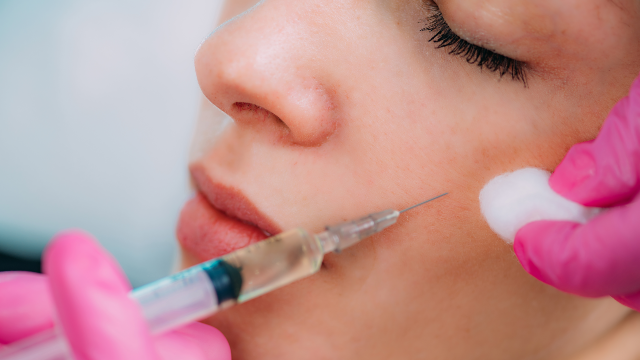
Toxnfill Hongdae describes Botox as an outpatient injection requiring a short visit, generally without general anesthesia, using a fine needle with topical or other comfort measures offered depending on the area. The treatment area is assessed and marked, the skin is cleansed, and small amounts are injected into the selected muscles. Most people resume normal activities quickly, though temporary pulling, mild pain or throbbing can occur.
Its filler sessions run differently: topical numbing for twenty to thirty minutes, then roughly ten to twenty minutes of treatment, with a photograph taken before and after, custom mapping of the area, and micro-injections placed using fine needles or cannulas. Results are visible straight away.
The gap that matters most is when you can judge the outcome. A filler result is on your face before you leave. A Botox result is not, and expecting one on day one is the most common source of disappointment in the first week.
Where Botox Goes Beyond Wrinkles
Two treatments in this clinic's range show that the muscle-relaxing mechanism has uses that have nothing to do with expression lines, and both are worth knowing about because they change what "Botox" can mean in a consultation.
Skin and Pore Botox is described as a botulinum toxin treatment for areas where pore appearance and skin texture are the concern, used on the cheek region the clinic calls the butterfly zone, delivered through multiple small injection points rather than into a single expression muscle. Its stated aim is reducing the visible appearance of pores and improving the look of skin texture, with candidates being adults concerned about visible pores, uneven texture or excess sebum. The clinic notes that alternatives for pore appearance include radiofrequency microneedling, lasers and chemical peels, so this is one option among several rather than the obvious answer.
Neck Wrinkle and Trapezius Botox targets developed muscle rather than skin. For the trapezius the described goal is softening prominent muscle volume for a smoother neckline, and the clinic is explicit that this is not a permanent change. Its aftercare is notably more demanding than facial treatment: heavy exercise, alcohol in quantity, sauna or jjimjilbang visits and hot baths avoided for three to five days, and after trapezius treatment, no heavy lifting and no carrying bags on one shoulder for around two weeks.
Combining Them Is Normal, With One Caveat
The two are routinely used together, and the clinic documents fillers as frequently paired with wrinkle or jawline relaxer treatments, skin boosters and ultrasound tightening, and Botox as combinable with contour injections, lifting treatments and skin treatments depending on the goal.
The reasoning is the one the Toxins review gives: a face rarely presents one problem. A line can be muscle-driven at the top and volume-driven at the bottom, and treating only one leaves the other.
The caveat is worth stating because it comes from the regulator. The FDA's consumer guidance on dermal fillers notes that combined use of fillers and botulinum toxin has not been evaluated in clinical studies. That does not make combination treatment wrong — it is standard practice, and the American Society of Plastic Surgeons describes both as part of the everyday injectable repertoire — but it does mean the evidence base for the combination is clinical experience rather than trial data, and a clinician should be able to say so plainly.
Reading Your Own Face
- A line that appears only when you frown, squint or raise your brows. Muscle-driven, and the Toxins review identifies this as the indicated group for botulinum toxin.
- A line or hollow that is still there when your face is completely relaxed. Volume or skin structure, which points toward filler or another approach.
-Both at once, in the same region. Common, and the reason combination plans exist.
-A jaw or shoulder muscle you want less prominent. Muscle bulk, which is the toxin's territory rather than filler's.
-Enlarged-looking pores and rough texture. Neither classic use; the clinic offers a specific skin-focused toxin treatment, and also lists microneedling, laser and peels as alternatives.
-Contour you want defined today. Filler gives an immediate result; the toxin does not.
What to Ask, and How the Plan Gets Made
The clinic's documented Botox consultation evaluates the treatment goal, muscle activity, facial or body anatomy, medical history, medications and previous procedures before the practitioner decides whether treatment and the planned dose are appropriate. For fillers, staff assess facial structure, discuss volume targets, select the product and density, and design the injection plan.
The American Society of Plastic Surgeons describes the cosmetic form of botulinum toxin plainly as a temporary treatment, with injections blocking the nerve signal so the muscle cannot contract, and lists frown lines, forehead creases and crow's feet as the most commonly treated areas along with neck bands, thick jaw muscles, lip lines, gummy smiles, chin dimpling and the corners of the mouth. If a consultation proposes something outside that familiar territory, it is fair to ask why.
To arrange an assessment, the clinic takes enquiries on its contact page, and its about page is worth a look beforehand.
The Bottom Line
- The sorting question is whether the line disappears when your face is at rest. If it does, a muscle is making it; if it does not, volume or skin structure is involved.
- Botulinum toxin works by cleaving SNAP-25 and blocking acetylcholine release; the approved labeling puts onset at one to two days and duration for frown lines at approximately three to four months.
- The approved labeling carries a boxed warning about toxin effects spreading beyond the injection site, reported from hours to weeks afterward, which is a reason to know your practitioner rather than a reason to avoid treatment.
- The FDA recommends against filler in the glabella, nose, area around the eyes, forehead and neck — several of which are approved sites for the toxin.
- The two are commonly combined in practice, though the FDA notes the combination has not been evaluated in clinical studies.
Frequently Asked Questions
How quickly will I see each one work?
Filler is visible immediately, and the clinic notes facial washing and light makeup are possible two to three hours later. Botulinum toxin is not: the approved labeling states that chemical denervation begins one to two days after injection and increases through the first week. The clinic's own description matches, with effects commonly becoming noticeable within several days rather than at once.
How long does botulinum toxin last?
The FDA-approved labeling states the duration of effect for frown lines as approximately three to four months. The clinic describes results as temporary, with repeat treatment needed as muscle activity returns. Individual duration varies with the area, the dose and how strongly the muscle works, which is one reason the second appointment is often planned differently from the first.
Is it true that fillers should not be used between the eyebrows?
The FDA advises against dermal fillers in five facial regions, the glabella among them, alongside the nose, periorbital area, forehead and neck. Its stated reason relates to the risk of unintentional injection into a blood vessel, which the agency names as the most serious risk of these products, with tissue death, vision loss and stroke among possible consequences. Botulinum toxin, by contrast, has an approved cosmetic indication for glabellar lines.
Can I have both in one appointment?
In practice, yes, and Toxnfill Hongdae documents fillers as frequently combined with relaxer treatments and botulinum toxin as combinable with contour injections, lifting and skin treatments. One honest qualifier belongs alongside that: the FDA's consumer guidance notes that combined use of fillers and botulinum toxin products has not been evaluated in clinical studies, so the basis is clinical experience rather than trial evidence.
What is Skin and Pore Botox, and is it the same treatment?
It uses the same substance differently. The clinic describes it as botulinum toxin delivered through multiple small injection points in the cheek area it calls the butterfly zone, aimed at the appearance of pores and skin texture rather than at an expression muscle. Suitable candidates are described as adults concerned about visible pores, uneven texture or excess sebum, and the clinic lists radiofrequency microneedling, lasers and peels among the alternatives.
Why does trapezius treatment come with two weeks of restrictions?
Because the target is a large working muscle rather than a thin facial one. The clinic advises avoiding heavy exercise, excessive drinking, saunas and hot baths for three to five days, and after trapezius treatment specifically, no heavy lifting and no carrying a bag on one shoulder for about two weeks. The stated goal is a softer neckline rather than a permanent change in the muscle.
Who should not have botulinum toxin?
The clinic names certain neuromuscular disorders, known allergy to the product's ingredients, and infection at the injection site, and notes that pregnancy, breastfeeding or certain medications may mean postponing or reviewing treatment. This is exactly the kind of history a consultation exists to take, so bring a full list of your medications and conditions rather than a summary.
This article is for general informational purposes, does not constitute individualized medical advice, and is not a self-diagnosis tool. Approved indications, labeling and treatment protocols change over time. Only a qualified dermatologist or physician who has examined your face in person can determine which treatment, or which combination, is appropriate for you.
Clinical Notice: Individual treatment outcomes and recovery timelines may vary depending on skin condition and personal physiology. Temporary redness, mild swelling, or bruising may occur after treatment; a pre-procedure physician consultation is always conducted.
More Articles
Continue reading our clinical guides.

Toxnfill Hongdae Dermatologist: Meet Dr. Chang Ye Ji
Medically reviewed by Dr. Chang Ye Ji, MD, Chief Director, Toxnfill Hongdae The lead dermatologist at Toxnfill Hongdae is Dr. Chang Ye Ji, who serves as the branch's Chief Director
Learn More

Korean Dermatology Residency Training: How Doctors Qualify
Medically reviewed by Dr. Chang Ye Ji, MD, Chief Director, Toxnfill Hongdae Korean dermatology residency training follows a sequence that will look broadly familiar to an American
Learn More

In-Person Consultation at a Korean Dermatology Clinic
Medically reviewed by Dr. Chang Ye Ji, MD, Chief Director, Toxnfill Hongdae An in person consultation at a Korea dermatology clinic is a working appointment with a defined shape: h
Learn More